
Bone Loss Around Teeth: Causes, Treatment & Can It Grow Back?
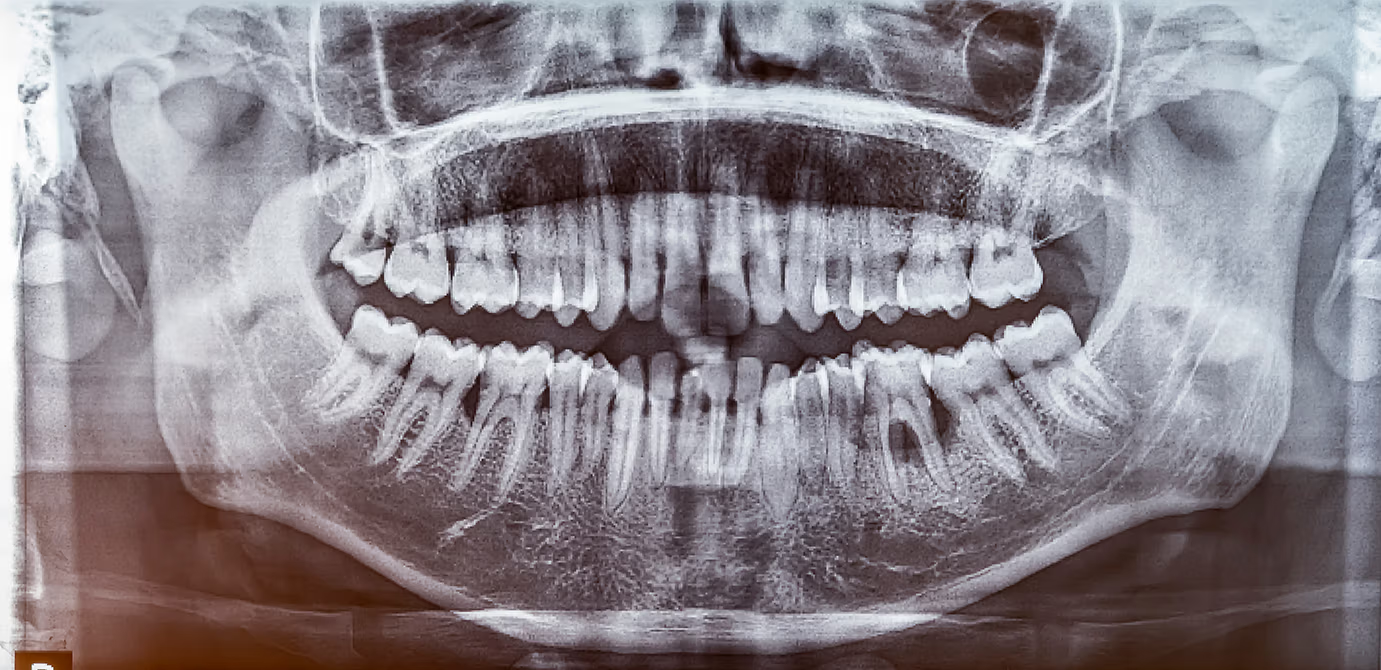
Being told that you have “bone loss” around your teeth can sound alarming. Many patients immediately wonder whether their teeth will become loose, need to be removed, or whether the lost bone can grow back.
The good news is that bone loss does not automatically mean you will lose your teeth. In many cases, periodontal treatment can help control the disease and preserve teeth for many years.
What Does Bone Loss Around Teeth Mean?
Your teeth are supported by the jawbone and surrounding gum tissues. When the bone around the roots begins to break down, dentists refer to this as periodontal bone loss.
Because the gums usually cover the area, you may not be able to see the bone loss yourself. It is typically detected through dental X-rays, periodontal measurements, gum recession, or changes in tooth mobility.
What Causes Bone Loss?
The most common cause is periodontitis, or advanced gum disease. Bacteria beneath the gumline can trigger inflammation that gradually damages the tissues and bone supporting the teeth.
Risk factors may include:
- Plaque and tartar buildup
- Smoking or tobacco use
- Diabetes
- Genetics
- Inconsistent dental care
- Certain medical conditions
- Clenching or grinding
Periodontal disease can progress with very little pain, which is why regular dental examinations are important.
Can Bone Loss Grow Back?
Sometimes.
Certain types of bone defects may respond to regenerative periodontal procedures using bone grafting materials, membranes, or other regenerative techniques. However, not every type of bone loss can be rebuilt.
Even when regeneration is not possible, treatment can still help slow or stop further bone loss.
How Is Bone Loss Treated?
Treatment depends on the severity and location of the disease. Options may include:
- Scaling and root planing, or “deep cleaning”
- Periodontal surgery
- Bone grafting or regenerative treatment
- Laser-assisted periodontal therapy
- Ongoing periodontal maintenance
If a tooth has lost too much support to be predictably saved, extraction and replacement with an implant, bridge, or other option may be considered.
Can My Teeth Still Be Saved?
Often, yes.
A periodontist evaluates how much bone remains, tooth mobility, periodontal pocket depths, inflammation, and the overall condition of each tooth before determining its long-term prognosis.
At Brier Creek Implants & Periodontics, our goal is to help patients preserve their natural teeth whenever possible while providing a treatment plan designed for long-term oral health.
If you have been told you have bone loss, a periodontal evaluation can help determine the cause, whether the disease is active, and what treatment options may be appropriate.
This article is for general educational purposes and does not replace an individualized dental examination or treatment recommendation.
Ready for your first appointment?
Has it been a while since your last visit? Bring back the sparkle to your smile. Make an appointment to visit us!